What a business owners policy in Alabama actually covers
A business owners policy in Alabama is one of the most practical insurance products a small business can buy. Instead of purchasing three or four separate policies and managing them all at renewal time, a BOP bundles the coverage most businesses need into a single package, usually at a lower combined premium than buying each piece individually. If you own a small or mid-sized business in Alabama and you haven't looked at a BOP recently, it's worth understanding exactly what's inside one before your next renewal.
A standard BOP includes three components: commercial property insurance , general liability insurance , and business interruption coverage . Each piece matters on its own, but together they address the scenarios that most often sink small businesses: a fire, a lawsuit, or a forced closure.
Commercial property protection
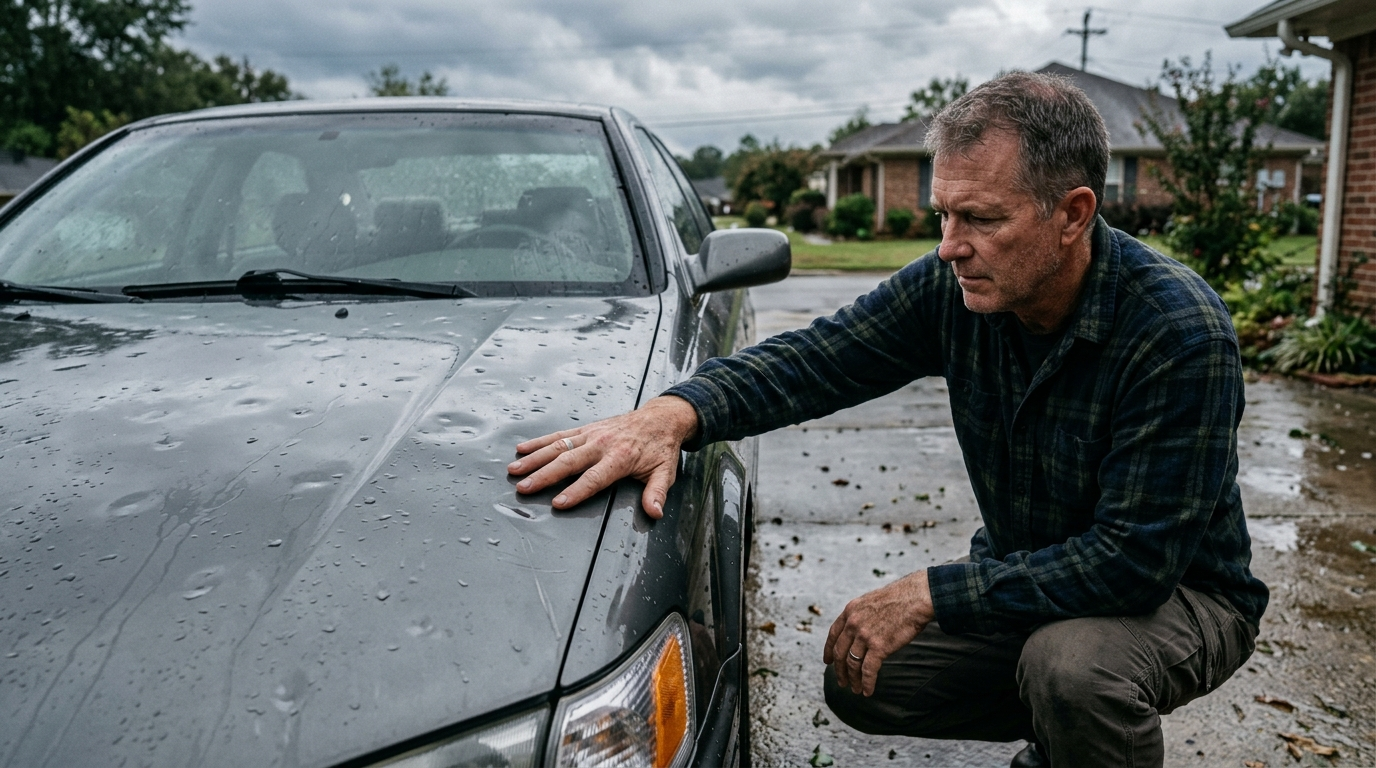
The property portion of a BOP covers your physical assets: the building you own or the improvements you've made to a leased space, your equipment, inventory, furniture, and fixtures. In Alabama, this matters more than people often realize. The state sees severe thunderstorms, tornadoes, and wind and hail events every spring. A single storm can turn a functioning storefront into a repair project costing tens of thousands of dollars. Property coverage in a BOP pays for repairs or replacement up to your policy limit so you're not funding that recovery out of pocket.
If you lease your space, note that the property coverage extends to tenant improvements and betterments you've paid for, since those belong to you even if the walls don't. That's a detail many business owners miss until they file a claim.
General liability coverage
The liability piece of a BOP protects you when a third party, typically a customer, vendor, or passerby, claims your business caused bodily injury or property damage. A customer slips on a wet floor. A product you sold causes harm. A contractor accidentally damages a client's property. In each case, the liability portion pays for legal defense costs and any resulting settlement or judgment, up to your policy limits.
Alabama doesn't mandate general liability insurance for most private businesses by law, but many commercial leases and vendor contracts require it. More importantly, a single liability lawsuit without coverage can cost far more than years of premiums. You can read more about how this works in our guide to general liability insurance for Alabama small businesses.
Business interruption insurance
This is the piece most business owners undervalue until they actually need it. Business interruption coverage replaces lost income and covers ongoing fixed expenses like rent, payroll, and utilities when a covered loss forces a temporary shutdown. If a tornado tears through Birmingham or a fire in a neighboring unit forces your Hoover shop to close for six weeks, business interruption coverage is what keeps the business afloat during the recovery period.
Standard business interruption policies cover losses during the period of restoration. Some extend to cover losses from a supplier's disruption or a utility outage. The exact terms depend on the carrier and the policy form, which is one reason working with an independent agent who can compare options is worth the time.
Who qualifies for a BOP in Alabama
Not every business is eligible. Carriers designed the BOP product for small to mid-sized businesses with relatively predictable risk profiles. The general eligibility criteria across most carriers include:
- Business size: Fewer than 100 employees is a common threshold, though some carriers go higher for certain industries.
- Revenue: Most carriers cap BOP eligibility at annual revenues below $5 million to $10 million, depending on the industry class.
- Physical location: The business must operate from a fixed commercial or home-based location. Mobile-only operations may face different underwriting guidelines.
- Industry class: Retail, professional services, restaurants, offices, and many service businesses qualify. Highly hazardous industries like heavy manufacturing, auto dealers, or contractors doing large-scale work typically don't fit the BOP mold and need standalone policies instead.
If your business doesn't qualify for a BOP, you still have options; coverage simply needs to be assembled from individual commercial lines policies. Our broader Alabama small business insurance guide walks through the full picture for businesses of different sizes and types.
What a BOP does not cover
A BOP is a solid foundation, but it isn't a complete insurance program on its own. Several significant exposures are either excluded or require separate policies. Understanding these gaps is just as important as understanding what's included.
- Workers' compensation: Alabama law requires most employers with five or more employees to carry workers' comp. A BOP doesn't include it. See our Alabama employers' guide to workers' compensation for the specifics.
- Commercial auto: Vehicles titled to the business need a commercial auto policy. A BOP doesn't extend to owned business vehicles.
- Professional liability: If you give advice, provide services, or make recommendations for a fee, a standard BOP doesn't cover claims that your professional work caused a financial loss. Attorneys, accountants, consultants, and healthcare professionals need a separate errors and omissions policy.
- Cyber liability: Data breaches and ransomware attacks are not covered under a standard BOP. Given how often Alabama small businesses are targeted, a standalone cyber liability policy deserves serious consideration.
- Flood damage: Property coverage in a BOP typically excludes flood. If your business is in a low-lying area or near a creek or river, this is a real gap.
- Equipment breakdown: Some BOPs include this as an endorsement; others don't. If your business depends on a commercial HVAC system, refrigeration units, or specialized machinery, confirm whether your policy covers mechanical breakdown.
How much does a BOP cost in Alabama
BOP premiums vary significantly by industry, location, revenue, claims history, and the coverage limits you select. Realistic ballpark figures for common Alabama small business types look like this:
- Professional services office (consultants, accountants, real estate): Roughly $500 to $1,500 per year for a basic BOP with modest limits.
- Retail store: Typically $1,000 to $3,000 per year, depending on inventory value and square footage.
- Restaurant or food service: Often $2,000 to $5,000 or more per year, given higher liability exposure and equipment values.
- Small contractor or trade shop: Costs vary widely, and many contractors need a standalone general liability policy rather than a BOP.
These are rough estimates. The only way to know your actual premium is to run quotes with multiple carriers against your specific risk profile. Premiums for the same business can vary by 20 to 40 percent between carriers. Independent agents shop several markets at once rather than quoting a single in-house rate, which is where they add real value.
Your deductible choice also moves the needle. A higher deductible lowers your annual premium but means more out-of-pocket costs when you file a claim. For a cash-flowing business with reserves, a higher deductible often makes sense. For a startup watching every dollar, a lower deductible gives more predictability.
Optional endorsements worth considering
A BOP is a starting point, not a ceiling. Most carriers allow you to add endorsements to broaden coverage for your specific situation. Common add-ons include:
- Data breach / cyber endorsement: A limited step up from a bare BOP, though a standalone cyber policy offers more comprehensive protection for businesses storing customer data.
- Employment practices liability (EPLI): Covers claims from employees alleging discrimination, wrongful termination, or harassment. Relevant for any business with staff.
- Hired and non-owned auto: Covers liability when employees drive their personal vehicles for business purposes or when the business rents vehicles. See the hired and non-owned auto page for details.
- Inland marine floater: Covers tools, equipment, or inventory in transit or at job sites away from your main location. Important for businesses that move product or equipment regularly.
- Extended business income: Extends the business interruption period beyond the standard restoration period, which can be critical for businesses that take longer to rebuild a customer base after a major loss.
- Commercial umbrella: Provides excess liability limits above your BOP's general liability sublimits. Worth considering if your business has significant foot traffic, large contracts, or high public visibility.
BOP vs. separate policies: which approach fits your business
The BOP makes the most sense when your property values, liability exposure, and revenue all fall within the ranges the product was designed for. A single policy with a single renewal date is genuinely convenient, and the bundled pricing is usually favorable compared to buying standalone policies.
That said, if your business has grown significantly, operates across multiple locations, carries high-value equipment, or has unusual liability exposures, a more customized approach using individual commercial property and general liability policies may give you better coverage terms and higher limits. A good independent agent will tell you honestly which structure works better for your situation rather than defaulting to the easiest sale.
It's also worth knowing that a BOP can be restructured as your business grows. Many businesses start on a BOP and transition to standalone policies once their revenue and complexity outgrow the product's eligibility thresholds. Working with an agent who knows your business and can adjust your program over time makes that kind of continuity possible, which is an often-overlooked benefit of a long-term agency relationship.
Get a business owners policy quote from The Rinehart Agency
The Rinehart Agency is an independent insurance agency serving businesses across Alabama, including Birmingham, Hoover, Pelham, Tuscaloosa, Montgomery, and surrounding communities. Because we're independent, we work with multiple carriers and compare options on your behalf, which typically means better coverage terms and more competitive premiums than you'd get from a single-carrier agent.
Whether you're opening a new business and need your first policy, or you've had the same BOP for several years and want to make sure it still fits, we're glad to take a look. Contact The Rinehart Agency online or call us at (205) 671-5555 to get started. There's no pressure and no obligation, just a straight conversation about what your business actually needs.